A 1972 proposal dismissed as too simple led to the discrete cosine transform, the math behind nearly every JPEG image today.
The Unexpected Origin of JPEG's Mathematical Backbone
In 1972, a research proposal submitted to the National Science Foundation (NSF) was dismissed by a reviewer who deemed the approach too simple to merit funding. This proposal, however, planted the seeds for a mathematical breakthrough that would ultimately power nearly every JPEG image on Earth.
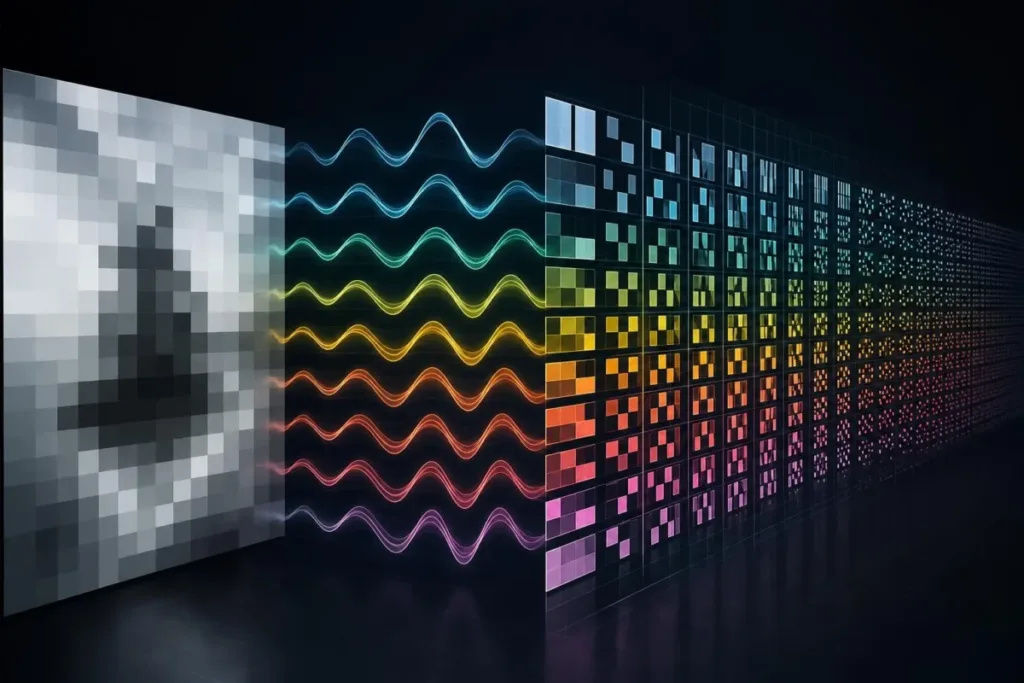
The pivotal development came through the work of Nasir Ahmed in the summer of 1973. His research introduced the discrete cosine transform (DCT), an elegant mathematical technique that became the foundation of digital image compression. This innovation has had a profound impact on how images are stored and transmitted in the digital age.
What is the Discrete Cosine Transform?
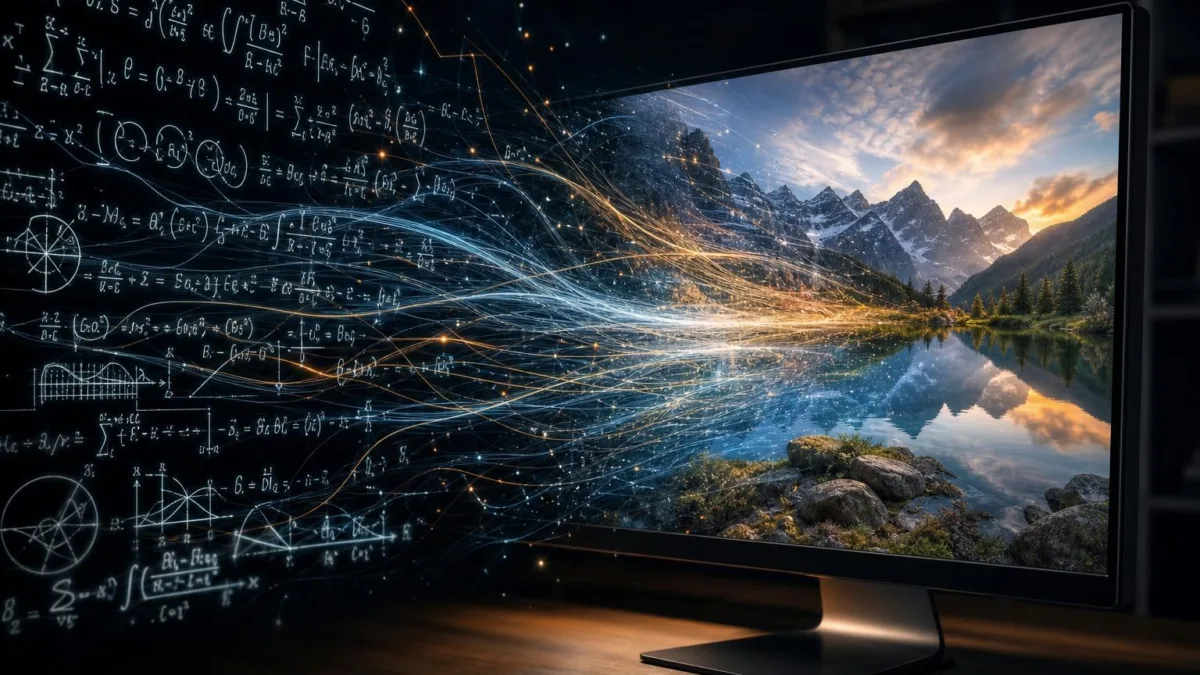
The discrete cosine transform is a mathematical operation that converts spatial data (like pixel values in an image) into frequency components. By doing so, it enables efficient compression by isolating parts of the image that the human eye is less likely to notice when altered or removed.
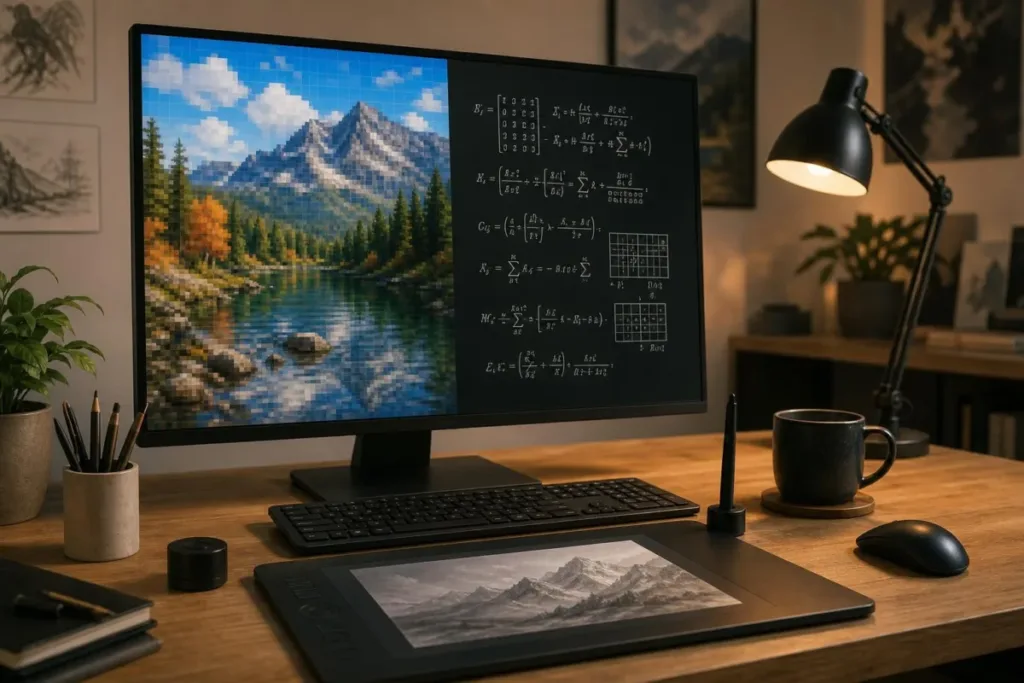
This property makes the DCT ideal for compressing photographic images without significant loss of visual quality. Coupled with quantization and encoding steps, the DCT forms the core of the JPEG standard, which is ubiquitous in digital photography, web images, and media storage.
From Rejection to Revolution: The Impact on Digital Imaging
Despite initial skepticism from funding bodies, Nasir Ahmed's work on the DCT has revolutionized digital imaging. Today, nearly every JPEG image—whether on websites, smartphones, or cameras—relies on this mathematical principle to balance image quality and file size.
The story highlights the unpredictable pathways of scientific progress, where ideas once considered too simple can become transformative. The DCT's efficiency and simplicity have ensured its lasting relevance in image compression technologies.
What This Means for Users and Future Developments
For users, understanding the basics of the DCT offers insight into why JPEGs are so effective and widespread. The method allows for quick, efficient compression that preserves visual fidelity, enabling faster image sharing and reduced storage needs.
Looking ahead, while newer image formats and compression techniques continue to emerge, the discrete cosine transform remains a foundational technology in digital imaging. Awareness of its origins and function can deepen appreciation for the images we encounter daily and the science behind them.
Sources: fstoppers

Dr. Morgan directed the Archives Program from 2014 to 2017, gaining extensive experience in research documentation, information management, and the preservation of scholarly resources. Throughout her career, she has worked closely with academic publications and research materials, developing expertise in evaluating scientific sources and communicating complex topics to broad audiences.
Her primary areas of specialization include scientific publishing, research communication, editorial review, and the translation of technical research into accessible educational content. She has contributed to projects involving space science, astronomy, environmental science, history, archaeology, and emerging scientific discoveries, always emphasizing accuracy, transparency, and the responsible presentation of evidence.
As Editorial Director of Muskurahat.us, Dr. Morgan leads the editorial review process for scientific articles, ensuring that content is based on reputable sources, peer-reviewed research whenever available, and publications from recognized universities, research institutions, and international scientific organizations.
She is committed to promoting scientific literacy through clear, engaging, and well-documented articles that help readers better understand scientific discoveries and their impact on society. Her editorial philosophy is founded on accuracy, intellectual integrity, independent journalism, and continuous learning as scientific knowledge evolves.
Through her work at Muskurahat.us, Dr. Morgan supports the publication of trustworthy scientific content that makes complex research accessible to readers around the world while maintaining rigorous editorial standards.